
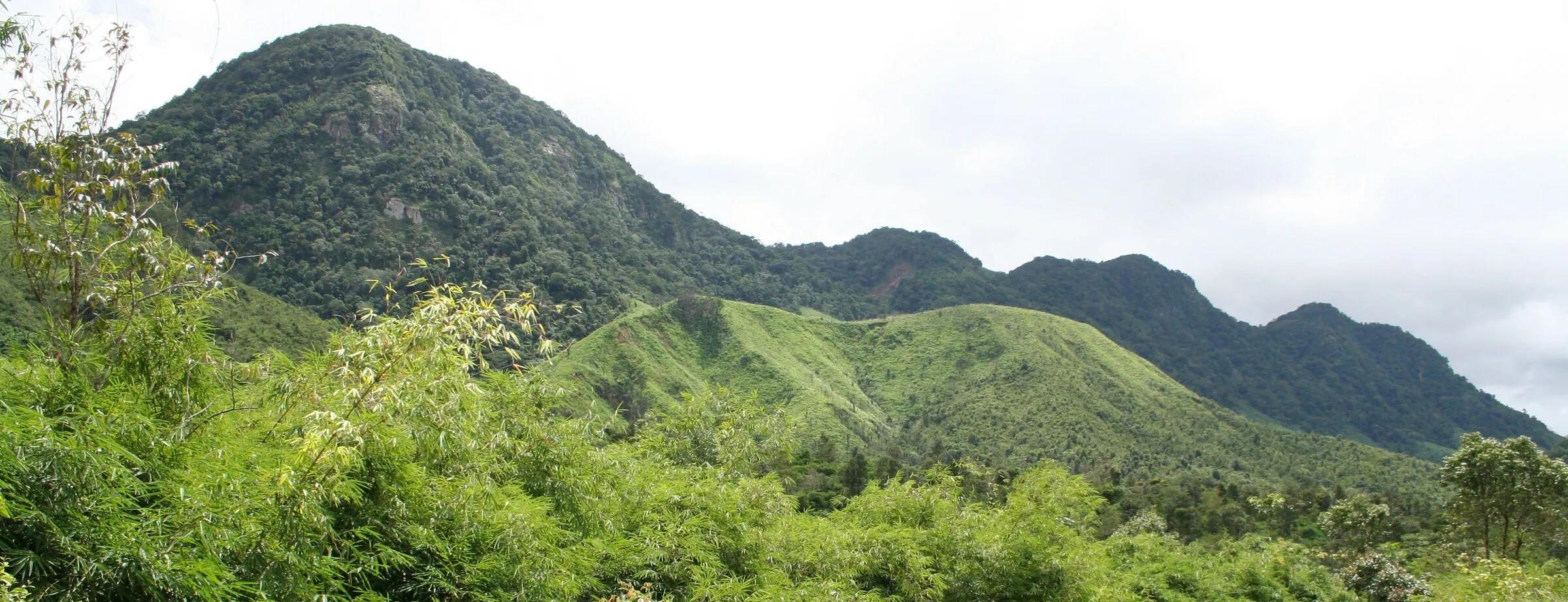
Spain
Overview
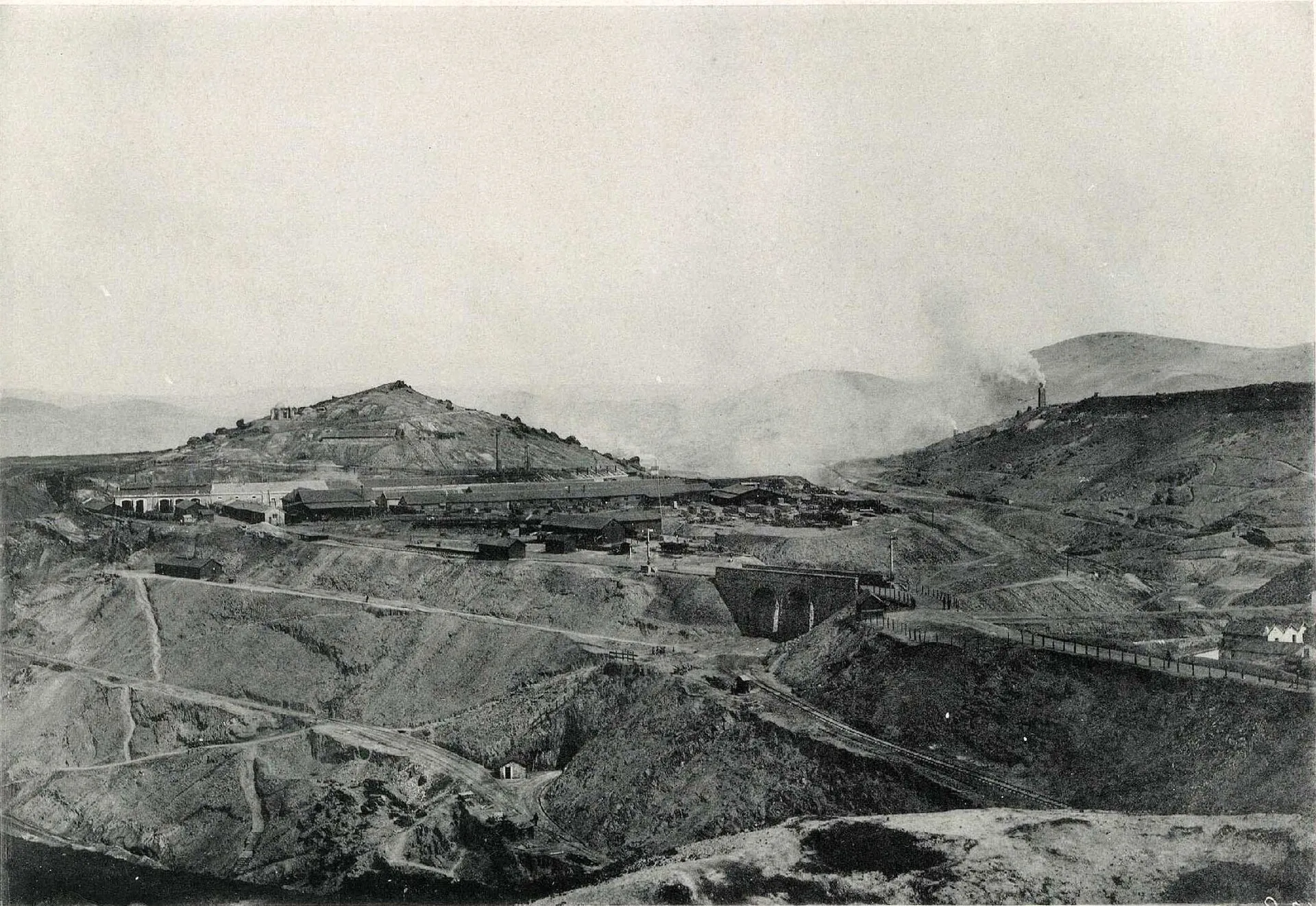
Spain is an EU member state with one of the longest mining histories in Europe, going back to Phoenician and Roman exploitation of silver, copper, lead, gold, tin and mercury. After a long decline of metal mining in the late 20th century, the country is again attracting exploration interest, driven by European demand for copper, tungsten, lithium and other critical raw materials. Redstone Exploration Services has recently opened an office in Spain to support clients active in the Iberian Peninsula.
Geology
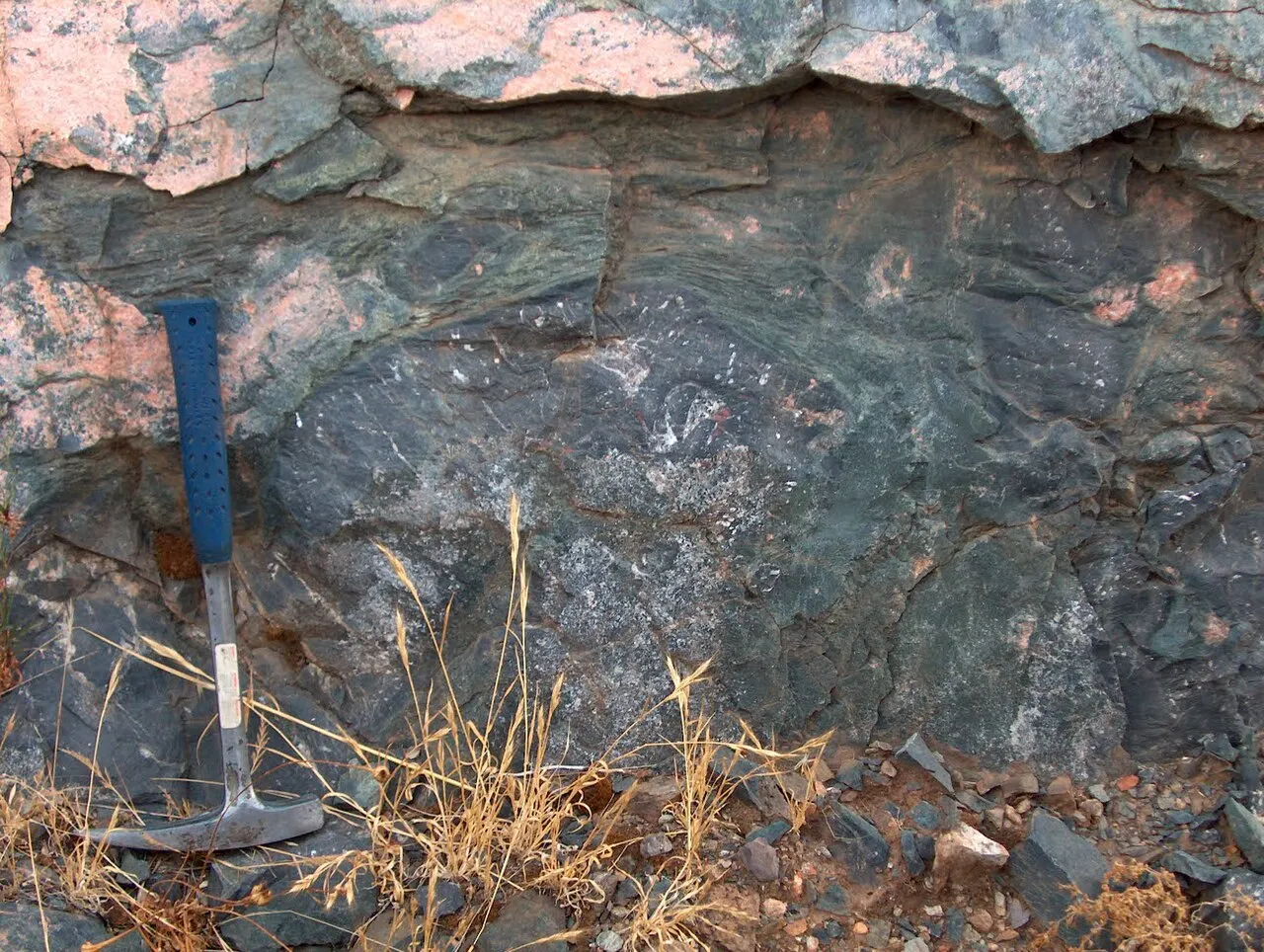
The geology of Spain is dominated by the Variscan Iberian Massif in the west and centre of the peninsula, flanked by the Alpine Pyrenean and Betic cordilleras and the Cenozoic Ebro, Duero and Guadalquivir basins. The most prolific metallogenic unit is the South Portuguese Zone, which hosts the Iberian Pyrite Belt (IPB), one of the world’s largest concentrations of volcanogenic massive sulfide (VMS) deposits. The belt extends across southwestern Spain (Huelva and Seville provinces) into southern Portugal, and is hosted by Late Devonian to Early Carboniferous volcano-sedimentary rocks. Major Spanish IPB deposits include Riotinto, Tharsis, Sotiel-Migollas, Aznalcóllar-Los Frailes and Las Cruces. Cobre Las Cruces is a high-grade, supergene-enriched copper deposit under Tertiary cover near Seville, in production since 2009 and operated by First Quantum Minerals. Aguas Teñidas and Magdalena (Sandfire-Matsa) and the Riotinto mine (Atalaya Mining) are also producing. Note that Neves-Corvo and Aljustrel, as well as the Panasqueira tungsten mine, lie on the Portuguese side of the border or elsewhere in Portugal, not in Spain.
Mining districts
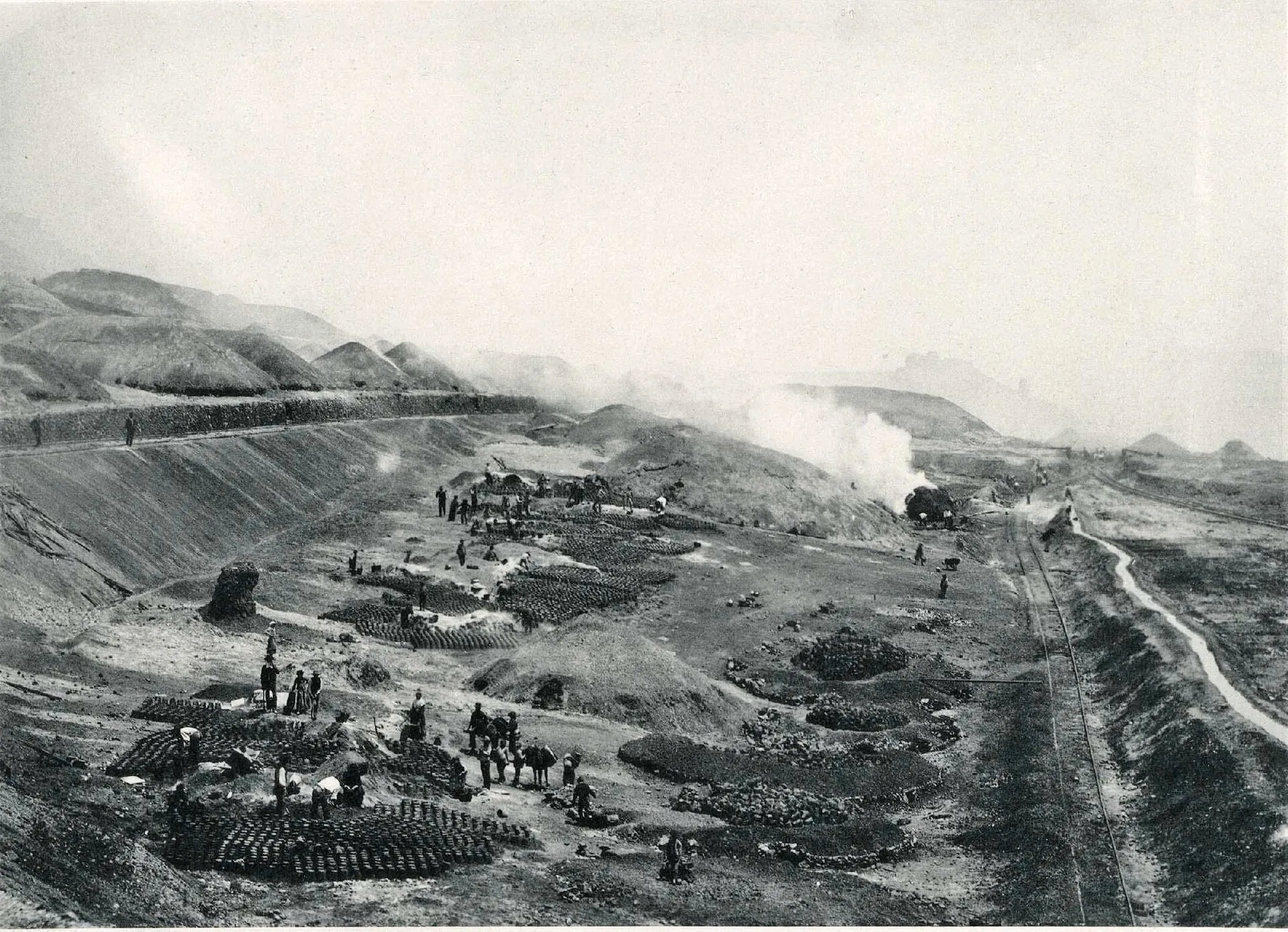
Other districts include Almadén in Ciudad Real province, historically the world’s largest mercury producer, where mining ended in 2003; the Los Pedroches batholith area of Córdoba, with its Pb-Zn-Cu-Ag veins, and the neighbouring Linares-La Carolina lead district; the Variscan tin-tungsten and lithium-bearing granites and pegmatites of Galicia, Extremadura (e.g. San José lithium project) and Salamanca; and gold-copper skarns and veins in Asturias and Galicia. Las Herrerías (Huelva) is a historic Cu-Pb-Zn-Ag mining area on the IPB margin. Operating status and ownership of individual projects change frequently and should be checked before any decision.
Legal framework
The mining legal framework rests on the Ley 22/1973 de Minas of 21 July 1973 and the General Regulation for the Mining Regime (Real Decreto 2857/1978), as amended by later laws and by environmental legislation, including Real Decreto 975/2009 on extractive waste management. Mineral resources belong to the public domain, and rights are granted in sequence as exploration permits, research permits and exploitation concessions. The State sets the basic legislation, while the autonomous communities (for example Andalucía, Galicia, Extremadura and Castilla y León) process and grant most mining rights and environmental authorisations within their territory. The central government keeps competence only over rights that extend across several regions. The Ministry for the Ecological Transition has been preparing a new Mining Law to replace the 1973 text.
Exploration activity
Exploration activity has grown since 2020, partly in response to the EU Critical Raw Materials Act (Regulation (EU) 2024/1252). The Act sets 2030 benchmarks of 10% of annual EU consumption for extraction, 40% for processing and 25% for recycling of strategic raw materials, with no more than 65% of any of them from a single third country, and it promises faster permitting for designated Strategic Projects. Several Spanish projects (lithium, copper, tungsten) were reported among those selected in 2025. Long permitting times, local opposition and environmental litigation remain the main hurdles.
Institutions
The main institutions are the Ministerio para la Transición Ecológica y el Reto Demográfico (MITECO) and, within it, the Dirección General de Política Energética y Minas, which handles mining policy, safety and the State-level permitting regime; the Instituto Geológico y Minero de España (IGME-CSIC), the national geological survey, which holds the geoscientific databases and the mineral resources inventory; and the mining departments of the autonomous communities. If you wish to learn more about Spanish mining legislation, exploration opportunities and local partners, please contact us.
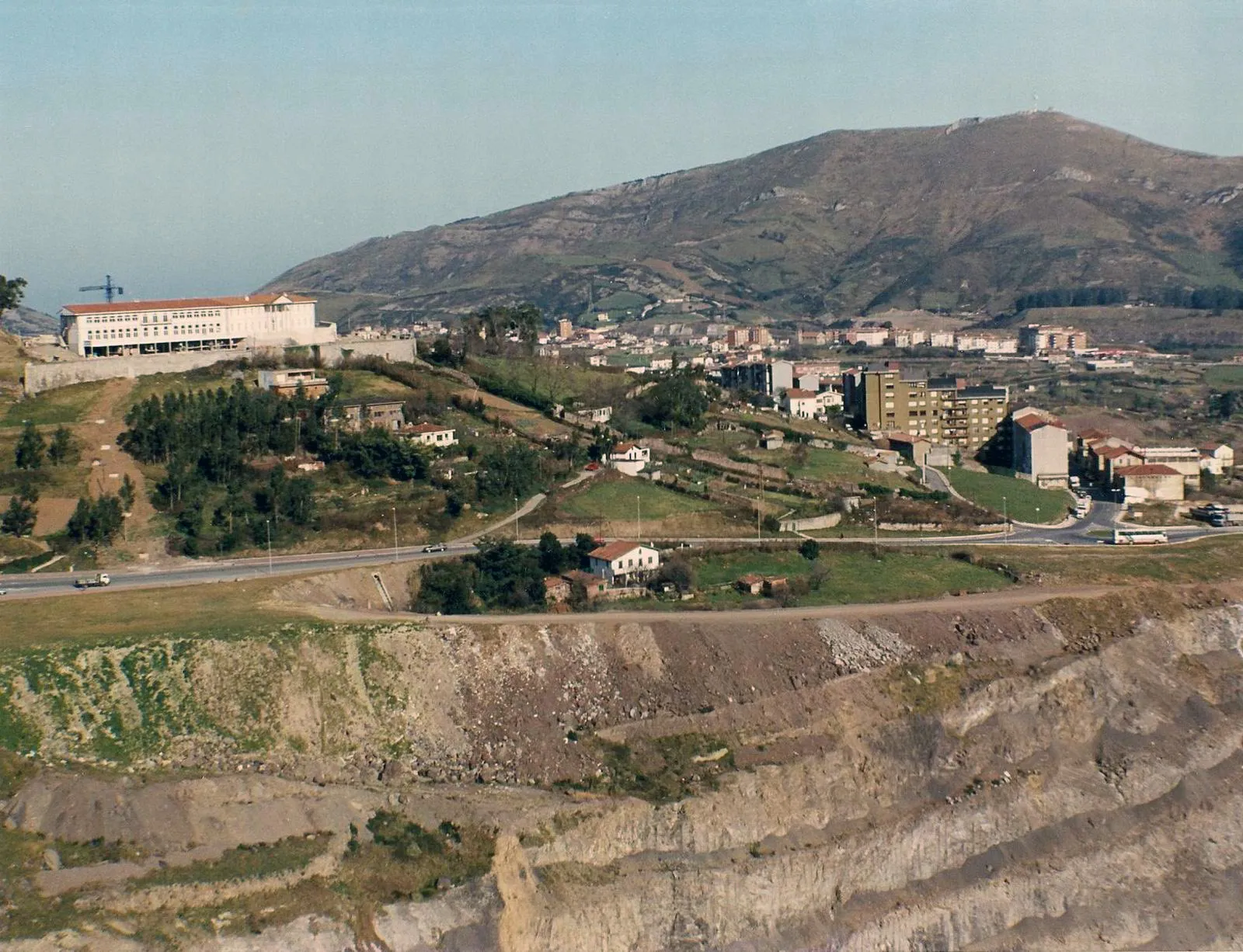
Photographs: Wikimedia Commons (public domain: Riotinto 1892, Gallarta, pillow lava; CC0: Aragon). Wikimedia Commons